



Entering Southeast Asia's fastest-growing digital markets requires international companies to understand that linguistic translation is only the first step toward market success. A software interface, digital storefront, or corporate proposal can be translated into accurate Vietnamese and still fail to generate sales or engagement if it misjudges the cultural expectations of local buyers.
For regional business leaders, marketing directors, and product teams, long-term traction requires investing in comprehensive Vietnamese localization. Vietnam functions within a high-context, collectivist cultural framework where communication is deeply relational and face-saving is paramount. According to cultural dimensions research by Hofstede Insights, Vietnam records a high Power Distance score (70) alongside a low Individualism score (20), characterizing it as a collectivist society where social harmony, group affiliation, and mutual respect influence consumer choices. Adapting to these cultural dynamics is essential for converting interest into customer loyalty.
High-Context Communication and How It Shapes Customer Experience
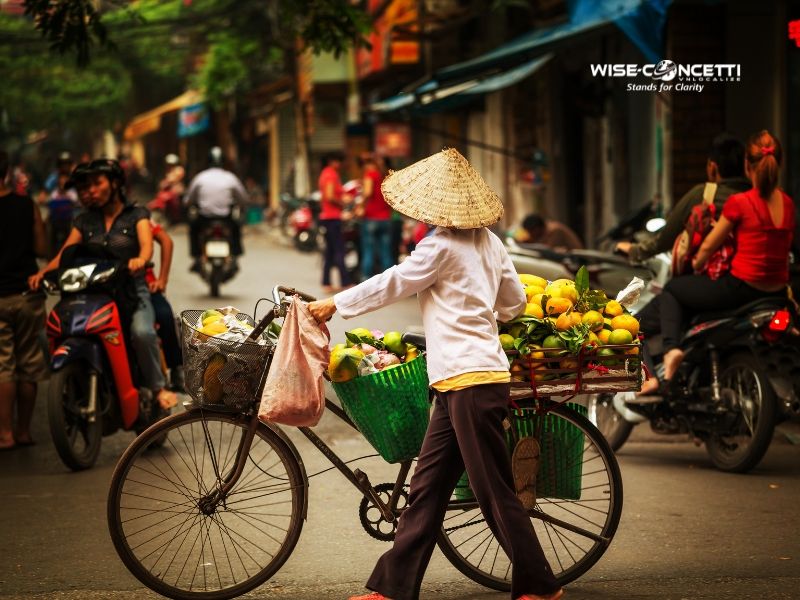
Communication in Vietnam relies heavily on implicit meaning, interpersonal sensitivity, and social decorum rather than purely transactional text. When international digital products present abrupt or overly direct messaging, local consumers often perceive the brand as impersonal or discourteous.
The Balance of Directness and Politeness in Messaging
Direct, Western-style error messages and notification banners frequently create user friction in Vietnam by causing unnecessary embarrassment or loss of face.
In low-context Western software, transactional microcopy prioritizes brevity above all else. However, translating phrases like "Payment Failed: Your credit card was declined" directly into Vietnamese can feel like an open accusation of insolvency, alienating the buyer. A localized user experience approaches the issue constructively:
- Direct Western style: "Payment Failed. Your card was declined. Try another card."
- Direct translation (harsh tone): "Thanh toán thất bại. Thẻ của bạn bị từ chối. Hãy thử thẻ khác."
- Culturally adapted UX copy: "Giao dịch chưa hoàn tất. Vui lòng kiểm tra lại thông tin thanh toán hoặc chọn phương thức thay thế."
The adapted copy preserves the user's dignity while clearly outlining the path to resolution. Delivering a frictionless user journey requires subtle, respectful phrasing across transaction flows, support documentation, and onboarding sequences.
Reading Between the Lines in B2B Partnerships and User Feedback
Commercial negotiations and qualitative user research in Vietnam are governed by a cultural desire to maintain interpersonal harmony (dĩ hòa vi quý), which means that surface consensus does not always indicate full agreement.
During user testing interviews or B2B enterprise discovery sessions, Vietnamese participants rarely criticize a product bluntly. Instead of stating "This feature is confusing and unusable", enterprise clients may offer polite affirmation followed by non-committal statements such as "We will review this internally" or "It is quite interesting". International product managers who take these statements at face value risk misunderstanding user sentiment. Culturally tuned user research requires indirect probing, observational usability tracking, and building relational rapport to uncover authentic feedback.
Generational Divide: Translating Value Propositions Across Age Groups
Vietnam's rapid socioeconomic transformation has produced marked differences in consumer priorities, digital literacy, and brand loyalty across distinct demographic groups.
Gen Z and Digital Natives: The Demand for Authenticity and Social Commerce
Younger Vietnamese consumers expect interactive digital experiences, authentic community endorsement, and instant responsiveness rather than traditional corporate marketing claims.
Digital natives under the age of 27 drive the country's social commerce and live-stream shopping trends. They frequently bypass standalone search engines in favor of short-form video platforms and community reviews. Value propositions for this segment should be concise, visually driven, and interactive. While casual, modern expressions resonate well with younger audiences, brands must avoid forced slang, which can appear dated or patronizing.
Millennials and Gen X: Balancing Practical Utility With Family Priorities
Established working professionals and older demographics make purchasing decisions based on verified utility, long-term brand credibility, and practical benefits for the household.
Millennials and Gen X consumers often evaluate products through the lens of family stability, educational advancement, and return on investment. Marketing campaigns targeting these buyers should provide transparent product specifications, verifiable customer testimonials, and clear post-purchase warranties.
Demographic Segment | Primary Motivation | Expected Communication Tone | Primary Digital Channels | Localization Risk to Avoid |
Gen Z (Under 27) | Trend alignment, social validation, instant discovery. | Conversational, energetic, concise. | TikTok, Instagram, in-app live streams. | Overusing artificial slang that compromises brand authority. |
Millennials (28–44) | Career enablement, child education, family wellness. | Professional, practical, reliable. | Facebook, Zalo, YouTube, mobile portals. | Presenting superficial claims lacking practical utility or proof. |
Gen X & Older (45+) | Established reputation, financial security, longevity. | Formal, respectful, structured. | Trusted national news platforms, community referrals. | Relying on overly casual pronouns or confusing navigational flows. |
Navigating these generational preferences effectively is a core element of localization for Vietnam, ensuring that value propositions align with the exact buyer group.
Cultural Norms Shaping Digital Consumer Habits
Global companies often struggle in Vietnam when they attempt to implement Western self-service sales models without accommodating the country's conversational shopping habits and payment preferences.
The "Chat-First" Commerce Culture
Vietnamese digital commerce is predominantly conversational, meaning consumers often prefer to speak with a company representative before completing a transaction.
In Western markets, conversion optimization focuses heavily on a frictionless, unassisted checkout funnel. In Vietnam, however, even tech-savvy consumers frequently click a chat icon to confirm stock availability, request sizing advice, or negotiate warranty coverage before finalizing a purchase. If an enterprise platform relies entirely on automated, self-service checkouts without embedded conversational touchpoints via Zalo, web chat, or messaging integrations, checkout abandonment rates tend to rise. Integrating responsive real-time communication into the user journey directly improves sales conversion.
COD vs. The QR Code Banking Boom
Payment ecosystems in Vietnam reflect an interesting balance between risk aversion and rapid adoption of instant digital banking.
According to the e-Conomy SEA 2024 Report by Google, Temasek, and Bain & Company, digital payments in Vietnam have expanded rapidly, driven by the widespread rollout of open interoperable QR systems such as VietQR. However, Cash on Delivery (COD) remains popular among retail consumers who prefer to physically inspect goods before paying. Global platforms that support only international credit cards (Visa, Mastercard) address only a small fraction of the addressable consumer market. Supporting local payment flows requires integrating account-to-account bank transfers via QR codes alongside domestic e-wallets.
Expected Digital Payment Matrix for Vietnamese Checkouts: 1. Account-to-Account QR (VietQR / Napas247) -> Universal adoption, zero card friction |
Cultural Symbols, Colors, and Taboos Global Brands Must Navigate
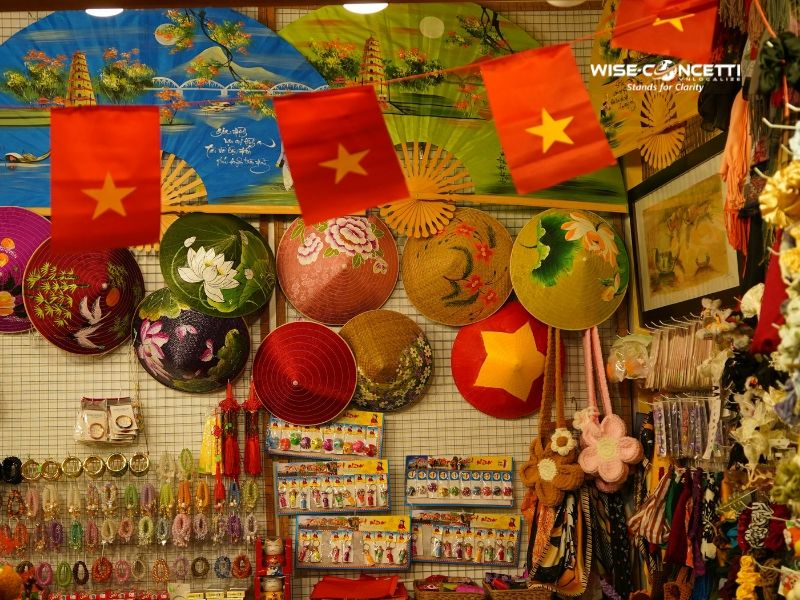
Visual assets and corporate gifts convey clear cultural messages that can influence brand perception during product releases and seasonal promotions.
The Symbolism of Colors and Gifting Customs
Colors carry deep traditional connotations tied to fortune, vitality, or mourning, and their application must match the specific industry and occasion.
Red and bright gold historically represent prosperity, happiness, and commercial success, making them effective for product launches, retail packaging, and Lunar New Year promotions. However, applying these bright festive colors in B2B enterprise dashboards, clinical medical software, or risk-monitoring platforms can be counterproductive, as red is also used to indicate system errors or financial loss. Similarly, corporate gifting programs must avoid items traditionally associated with bad luck or severing relationships, such as sharp instruments, clocks, or monochromatic white floral arrangements.
Navigating National Holidays and Seasonal Shopping Peaks
Consumer purchasing habits in Vietnam are closely tied to the lunar calendar and local civic celebrations rather than Western retail events like Thanksgiving or Black Friday.
- Lunar New Year (Tết Nguyên Đán): The primary commercial peak of the year. Consumer spending surges in the four weeks leading up to the holiday as families settle debts, purchase home goods, and buy corporate gifts. Aggressive sales messaging during the first three days of the New Year can backfire, as this period is reserved for family harmony and positive beginnings.
- Vietnamese Women's Day (October 20) & International Women's Day (March 8): Major commercial events for gifting, dining, personal care, and retail promotions.
- Vietnamese Teacher's Day (November 20): An important cultural milestone for educational gifting and recognition campaigns that is often overlooked by international brands.
Incorporating these cultural milestones into corporate roadmaps is an important part of Vietnamese market localization, aligning brand messaging with the genuine priorities of the local population.
B2B Cultural Nuances: Doing Business and Negotiating in Vietnam
Enterprise sales cycles in Vietnam depend heavily on building interpersonal trust and honoring formal corporate hierarchies before contract execution.
Relationship-First vs. Transaction-First Business Models
Commercial contracts in Vietnam rarely develop through cold emails or purely transactional product demonstrations; they rely on relationship-building and in-person engagement.
International B2B vendors often prioritize speed, pushing software demonstrations and contract negotiations early in conversations. In Vietnam, prospective enterprise clients usually evaluate the integrity, commitment, and responsiveness of the vendor's team before reviewing technical specifications. Face-to-face meetings, joint working sessions, and social dinners are important steps in establishing trust. Enterprises that establish a visible, dedicated local presence consistently outperform those attempting to sell remotely from regional headquarters.
Hierarchy, Decision-Making, and Formal Approval Processes
Decision-making in Vietnamese corporate and governmental organizations is generally top-down, requiring tailored communication across various management tiers.
Operational teams and technical leads frequently evaluate product capabilities and conduct vendor assessments, but final authorization rests with executive leadership. B2B proposals should provide balanced documentation:
- For functional department leads: In-depth technical specifications, security certifications, and API documentation to facilitate operational due diligence.
- For executive decision-makers: Clear executive summaries emphasizing vendor stability, long-term ROI, and compliance with local legal requirements.
Common Cultural Pitfalls and Their Business Impact
Addressing cultural differences systematically helps cross-border teams protect brand trust and avoid expensive marketing missteps.
Cultural Oversight | Real-World Business Scenario | Commercial Consequence | Recommended Cultural Correction |
Sarcastic Western Humor | Using dry, ironic humor in consumer video ads or social copy. | Brand perceived as rude, confusing, or disrespectful. | Focus on uplifting, community-oriented, or situational storytelling. |
Absence of Live Support | Forcing all user queries through email support tickets. | High checkout drop-off and customer churn. | Embed live chat assistance via Zalo or in-app messaging. |
Tone Mismatch | Using identical pronouns across both B2B buyers and Gen Z users. | B2B clients feel disrespected; younger users feel alienated. | Tailor pronouns by persona (quý khách vs. bạn). |
Western Holiday Centricity | Directing Q4 promotional budgets exclusively into Black Friday. | Missing the primary seasonal purchasing window. | Allocate marketing budgets toward pre-Tet shopping campaigns. |
Strategic Cultural Checklist for Entering the Vietnamese Market
Product managers and marketing leaders can use this checklist to assess cultural alignment before deploying campaigns or software in Vietnam.
| Vietnamese Cultural Readiness Framework: [ ] Interpersonal Tone: Have UX strings and customer communications been vetted for respectful phrasing? [ ] Conversational Access: Is there an option for real-time customer support via chat or messaging? [ ] Payment Localization: Are local payment channels (VietQR, bank transfers, e-wallets) fully supported? [ ] Calendar Alignment: Do campaign timelines reflect local shopping cycles like Tết and Vietnamese Women's Day? [ ] Visual Context: Do product assets, photography, and illustrations reflect Vietnamese consumers and environments? [ ] Local Vetting: Have marketing assets and interfaces been reviewed by native cultural specialists based in-market? |
FAQ
What is the most significant cultural difference global businesses encounter in Vietnam?
The most critical factor is navigating high-context, relational communication. Vietnamese consumers and business professionals place high value on respect, interpersonal trust, and face-saving. Delivering a successful product requires adapting value propositions and support channels to feel personal, considerate, and culturally accessible.
Does cultural localization differ between Northern and Southern Vietnam?
Yes. While shared national values unite the market, Southern consumers tend to adopt new consumer technologies and modern trends quickly, favoring a direct, casual conversational style. Northern consumers often place greater emphasis on brand heritage, formal credibility, and structured presentation. Successful brands balance a unified national identity with targeted regional messaging.
Why do Western-style self-service apps sometimes struggle in Vietnam?
Self-service funnels that eliminate human interaction can leave Vietnamese buyers feeling uncertain about product availability, authenticity, and after-sales support. Integrating conversational entry points like instant chat, direct messaging, and prompt phone assistance helps build customer confidence and supports conversion.
How can a business evaluate its cultural readiness before entering the market?
Global brands should conduct a structured cultural audit alongside standard linguistic quality assurance. This process involves testing design systems, user journeys, payment flows, and promotional content with in-market native specialists who can identify regional differences and cultural friction before launch.
Conclusion
Cultural Resonance Is the Real Moat for Vietnamese Market Localization
Entering the Vietnamese market requires more than linguistic translation; it requires authentic cultural resonance. While basic translation ensures that words are understood, cultural localization ensures that your product feels credible, respectful, and genuinely tailored to local users. Global organizations that take the time to understand Vietnamese social etiquette, shopping habits, payment preferences, and relational communication build lasting market authority.
Navigating these nuances is considerably easier alongside an experienced in-market partner. With over 20 years of experience supporting global enterprises, Wise-Concetti provides dedicated in-house native Vietnamese linguists and cultural consultants operating directly within the market. Backed by ISO-certified workflows and deep industry expertise across technology, e-commerce, and finance, our teams help you evaluate your market readiness and build authentic connections with Vietnamese audiences.
Planning your expansion into Vietnam? Contact the Wise-Concetti team today to schedule a consultation or request a cultural and localization readiness assessment.
 Trending
  Categories